Exactly what the page says. Accommodation, half board and the cable car are included, and no hotel bill follows afterwards. That is the exception rather than the rule in this field: most photography workshops quote a course fee and explicitly exclude accommodation and mountain transport, so you end up adding two or three hundred francs and finding a room yourself.
+5
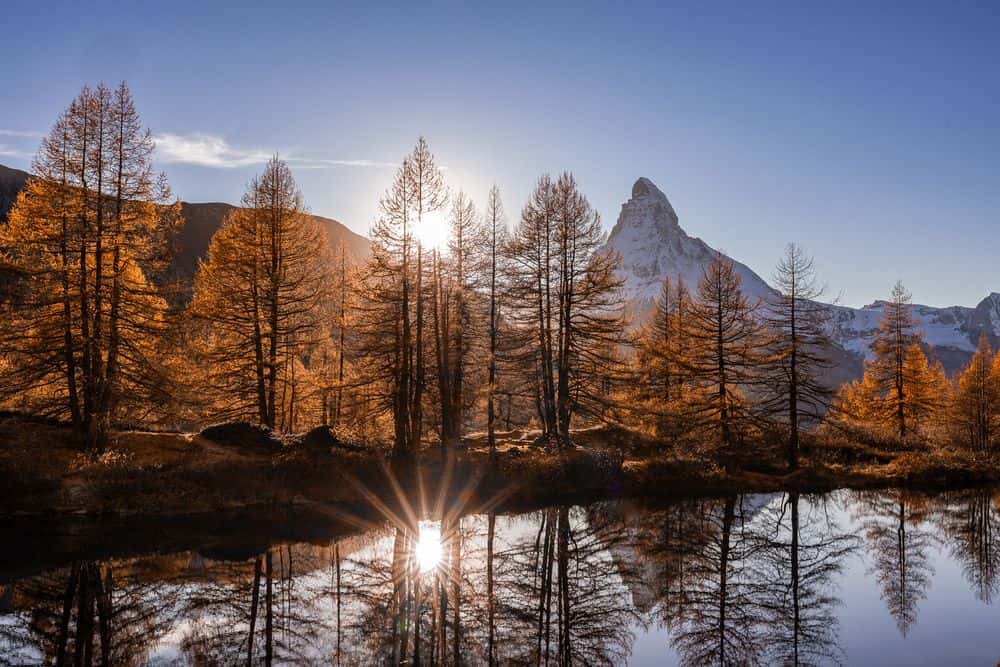
Two positions of the sun, one night, a mountain almost to yourself: a private photography workshop on Pilatus with accommodation, half board and cable car included.
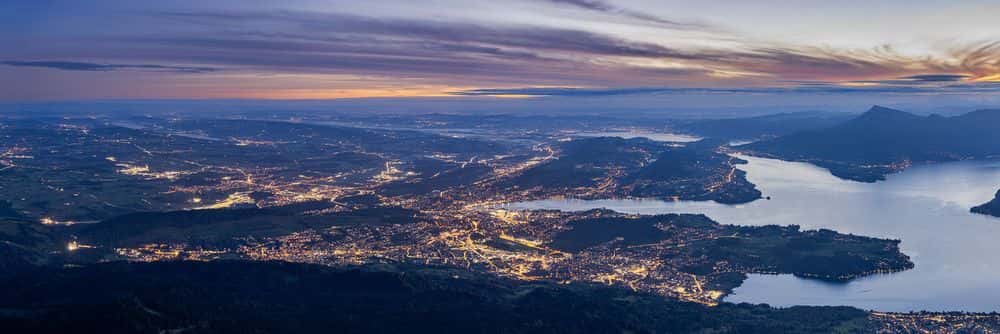
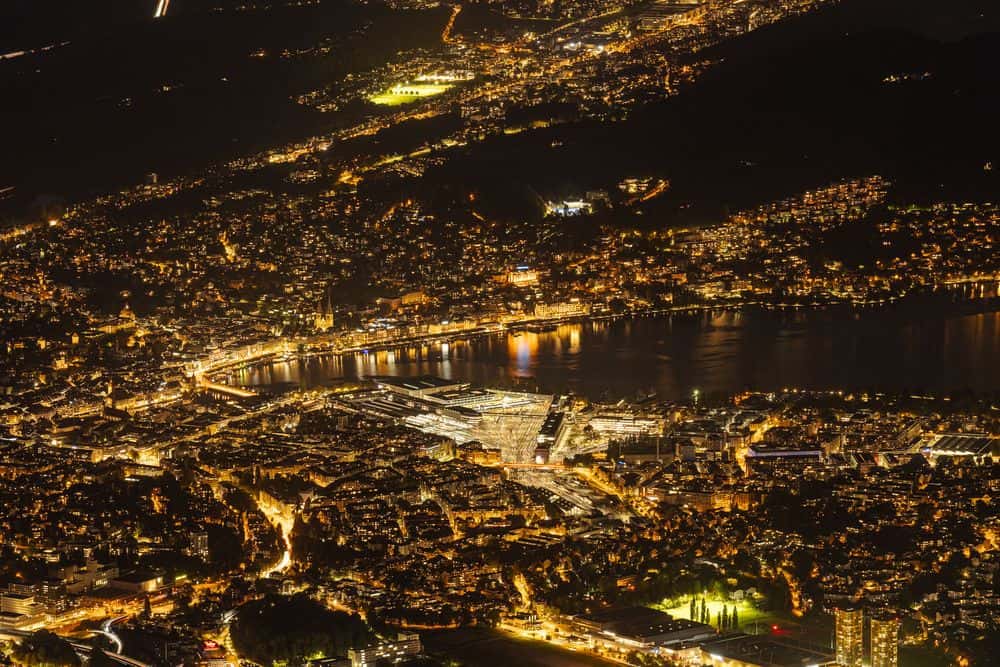
Mount Pilatus is one of the most visited mountains in Switzerland. Between ten and four. After that the last cable car leaves, and what stays up here is the hotel guests, the ibex and the light that actually matters. This workshop takes place in exactly that window: evening light, blue hour, the city of Lucerne glowing below, sunrise. Two of us, or three. Never more.
Your benefits
- You photograph Pilatus when the viewing terrace is empty, not shoulder to shoulder with a tour group.
- Everything included: accommodation, half board and cable car are part of the price. Nothing to book on the side, nothing to organise yourself.
- Two kinds of light in one programme: golden hour in the evening, night shots above the lights of Lucerne, sunrise over Lake Lucerne.
- Wide angle and telephoto treated as equals. You learn when each one is the right choice, and why most panoramas are shot at the wrong end of the focal range.
- Image editing the same evening, with your own files from two hours earlier, on your own laptop.
- Panorama photography as an optional focus, from nodal point to finished stitch.
- Two photographers maximum. Not a group programme, but your pace, your images, your questions.
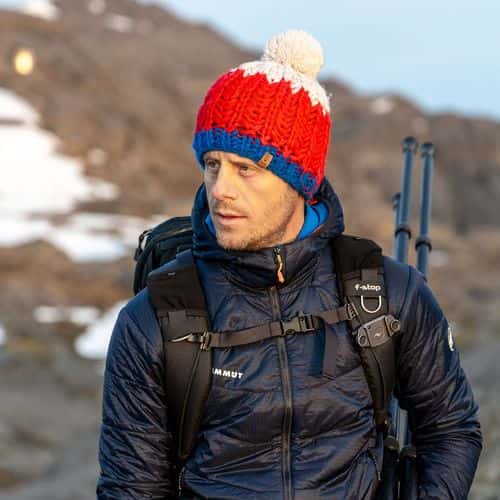
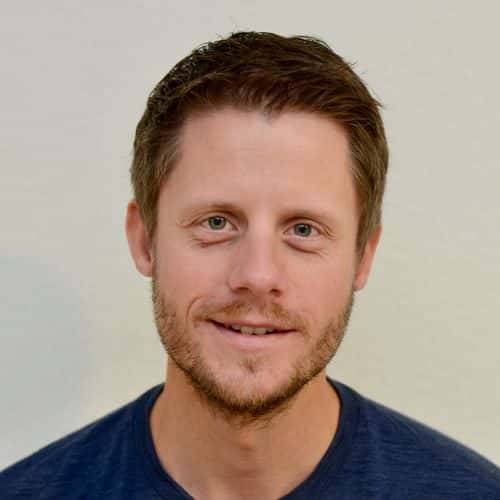
- Guided by Falko Burghausen, multiple award-winning photographer and mountain leader in training.
fromCHF 1,990
CHF
Dates
2 days
Year-round
Date of your choice
The best images on Pilatus happen in two windows, and both of them fall outside cable car operating hours. Which is why we sleep up there.
 Falko Burghausen
Meeting point
Pilatus Cable Car Lower Station in KriensParticipants
Min. 1, max. 2 participants per guide
Course language
English, German
Included services
Private coaching with Falko Burghausen, from afternoon to midday, around 20 hours
Overnight stay at Hotel Pilatus-Kulm with half board: welcome drink, four-course dinner and breakfast buffet
Cable car up and down
Individual location planning based on season, light and weather
Image editing session in the evening, around 90 minutes on your own machine
Optional panorama module if you want to make that your focus
Closing review with image selection and a concrete editing plan
Photo feedback by email: send me your finished edits and I will give you an honest response
Your guide
Falko Burghausen
Hiking Guide (in training). Internationally awarded Photographer. Swiss Athletics Trail Running Instructor.


Personal advice
Do you have any questions? I will be happy to advise you on this travel offer.
PDF Download
Requirements
Fitness
Technique
Distance4 km
Ascent250 m
Descent250 m
Guided descent (optional): Around three hours and roughly 1,500 metres of descent on mountain paths, so you need sure footing and proper boots. You carry all of your luggage yourself, camera gear included. There is no luggage transport down to the valley.
Focus areas
- Wide angle without the boredom: why a wide view without a foreground almost always falls flat, and where to find foreground on Pilatus
- Telephoto as a landscape lens: compression, aerial perspective, ridge lines, and why 200 mm often gives the more honest panorama
- Planning light instead of hoping for it: sun position, shadow edges, and the question of where you should be standing twenty minutes beforehand
- Blue hour and night: long exposures, the lights of Lucerne, stars when the sky cooperates
- Image editing: selection, luminosity masks, colour separation at distance, and the difference between screen and print
Optional: panorama photography
Pilatus is almost unfairly well suited to panoramas. A full circle of views without obstructions, clean horizon lines in all four directions, and foreground where you need it. If the subject interests you, we build it in as a focus rather than just touching on it in passing.
We look at why a handheld panorama often falls apart in the middle, how to find and set the nodal point of your lens, how much overlap you actually need, and why exposure, focus and white balance belong on manual. Then you shoot a sequence yourself, single row or multi row, and in the evening we stitch it together and see where it breaks. Software of your choice, Lightroom covers a lot, PTGui covers more.
Mention it when you book. If you own a nodal slide, bring it. If not, we go through the principle anyway and you will see what difference it makes.
Learning goals
- You choose consciously between wide angle and telephoto instead of using whatever happens to be mounted.
- You plan a shoot around light rather than around the clock.
- You know the settings for dusk and darkness without hunting through menus in the dark.
- You take one image from RAW to finished result and understand every step you made.
- You go home with a handful of images you actually want to show.
- If panorama is your focus: you shoot a clean sequence and bring it together without ghosting or misalignment.
Day one
We meet at 3 pm at the valley station. We talk briefly about your gear and about which images you actually want to make, then we head up.
After check-in we walk the three viewpoints: Oberhaupt directly above the hotel, Esel about fifteen minutes away, and, conditions permitting, Tomlishorn via the flower trail in a good half hour. That is when we decide where we will be standing for the evening.
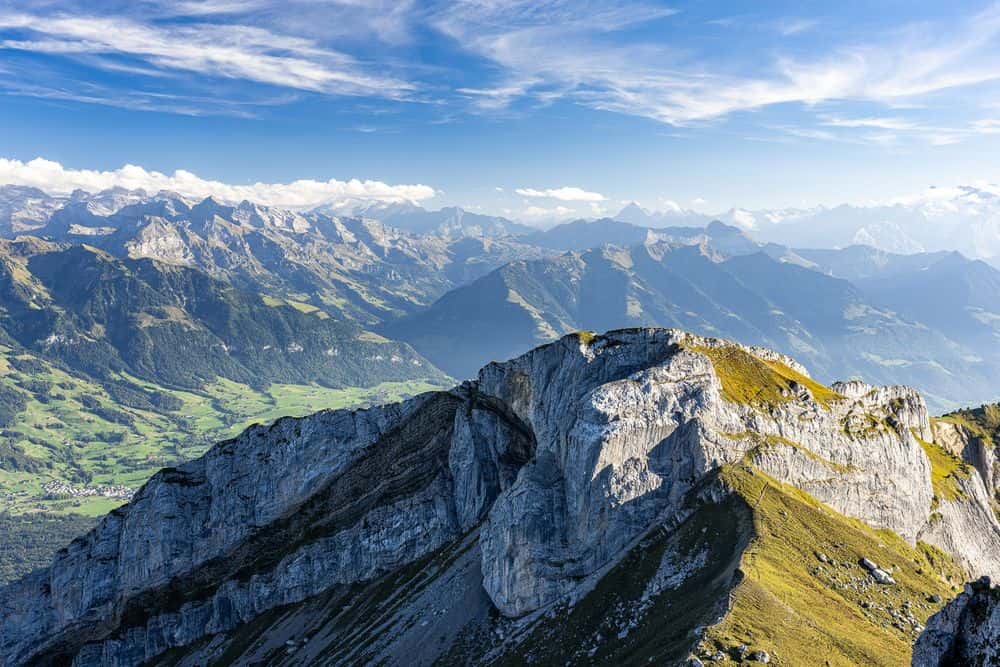
The first block belongs to the telephoto. Titlis and the Uri Alps to the southeast, the Bernese Alps to the southwest, the Rigi above the lake. With an inversion, a sea of fog with individual hills breaking through it. Then golden hour, alternating between both ends of the focal range, followed by blue hour as Lucerne starts to glow.
Dinner at the hotel. Then around 90 minutes of image editing: review, selection, and one image taken all the way through together. If you still have the energy afterwards and the sky plays along, we go back out for stars.
Day two
We head out before sunrise, usually towards Esel or Oberhaupt. For most people this is the strongest block, because the air is clearer in the morning and the light stays usable for longer than in the evening.
Then breakfast, followed by a closing review of just under an hour with image selection and an editing plan. We ride down around eleven, or take the guided descent if you have booked it.
The detailed plan comes together the evening before, based on the weather. Pilatus does not deliver the same thing twice, and that is the point.
Variants
Pure Flex tours don't come with a fixed date, they come with yours. Tell me when you'd like to go, I'll check availability and usually get back to you within a day. If you have wishes for how the days should run, we'll build them in.
Private, two people
The most affordable way to go private: you share a double room and my attention, and nobody else is there.
CHF 2,250Private, one person
Single room and undivided attention for two days, only your images and your questions.
CHF 1,990Options
These are optional extras you can add to your booking.
Companion, no photography programme
For anyone who would rather look than shoot: same room, half board and cable car included, join the programme as much or as little as you like.
CHF 390
Fine art print of your own image, framed
After the workshop, you'll choose your best photo; I'll put the finishing touches on it, and you'll receive it framed in the highest quality, in a 120 x 80 cm size with a blind frame, delivered right to your door.
CHF 590
Guided descent on day two
Instead of riding down, roughly three hours on foot into the valley, with the last photo stops along the way.
CHF 290
Panorama module
Say so when you book and panorama becomes the focus, from nodal point to finished stitch in the evening.
no extra charge
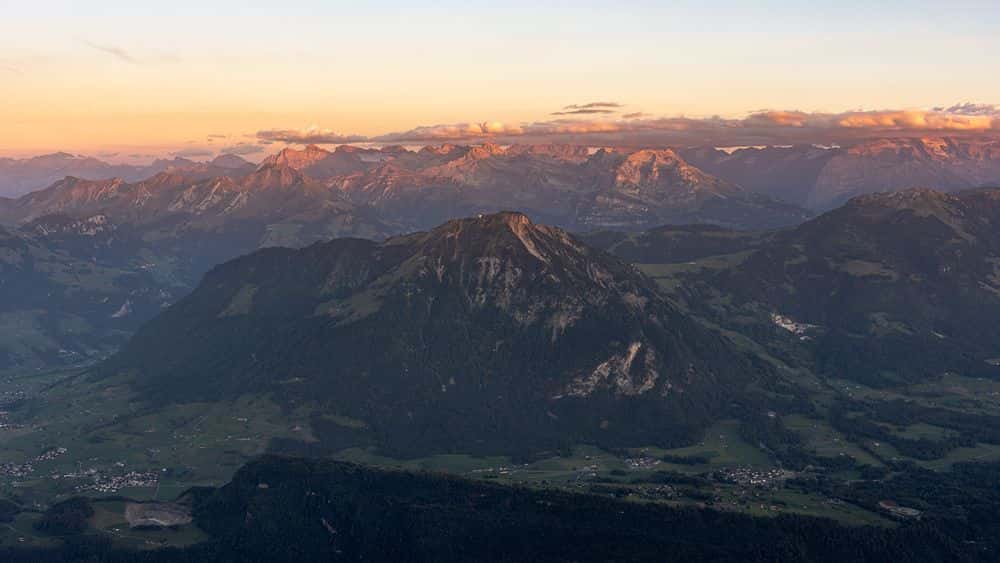
Pilatus Kulm at 2,132 metres, directly above Lucerne. The view runs across Lake Lucerne and the Rigi to the northeast, to Titlis and the Uri Alps to the southeast, to the Bernese Alps to the southwest, and across the Swiss plateau to the Jura in the northwest. Four directions, four completely different visual languages, all within walking distance of the hotel.
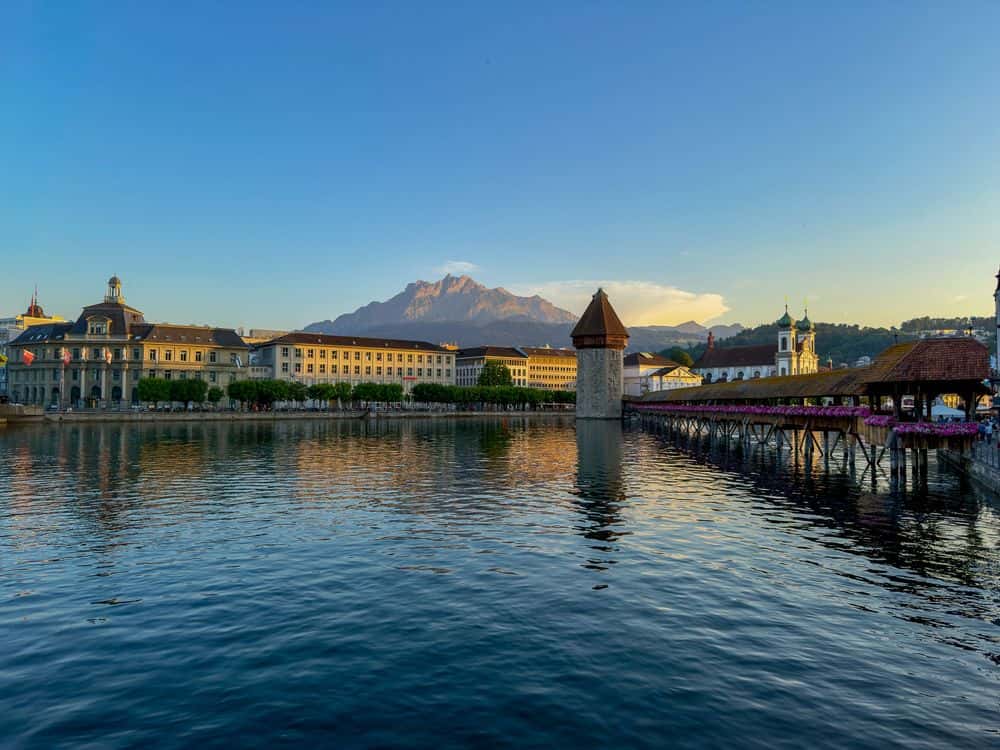
Reachable from Kriens by gondola and aerial cableway, and from Alpnachstad by the steepest cogwheel railway in the world. Lucerne is twenty minutes away, Zurich and Bern a good hour.
Arrival
We meet at 3 pm at the valley station, either in Kriens or in Alpnachstad depending on the season and the timetable. You will know which one, and the exact meeting point, at least a week in advance.
From Kriens the panorama gondola takes you via Krienseregg to Fräkmüntegg, from there the Dragon Ride aerial cableway brings you to the summit, around 40 minutes in total. From Alpnachstad the steepest cogwheel railway in the world goes up directly in just over 30 minutes, though only during the summer season. The ride up is included in the price.
You do not need a car. Lucerne is around an hour by train from Zurich, Bern and Basel, with a bus on to Kriens, and Alpnachstad sits on the Brünig line. Both valley stations have parking if you do drive, but bear in mind that the car stays down there overnight.
Departure
We ride down around eleven, together, returning to the station where we met, unless you have booked the guided descent. Either way you are back in Lucerne before midday. If you have something planned afterwards, tell me in advance and we will shape the morning around it.
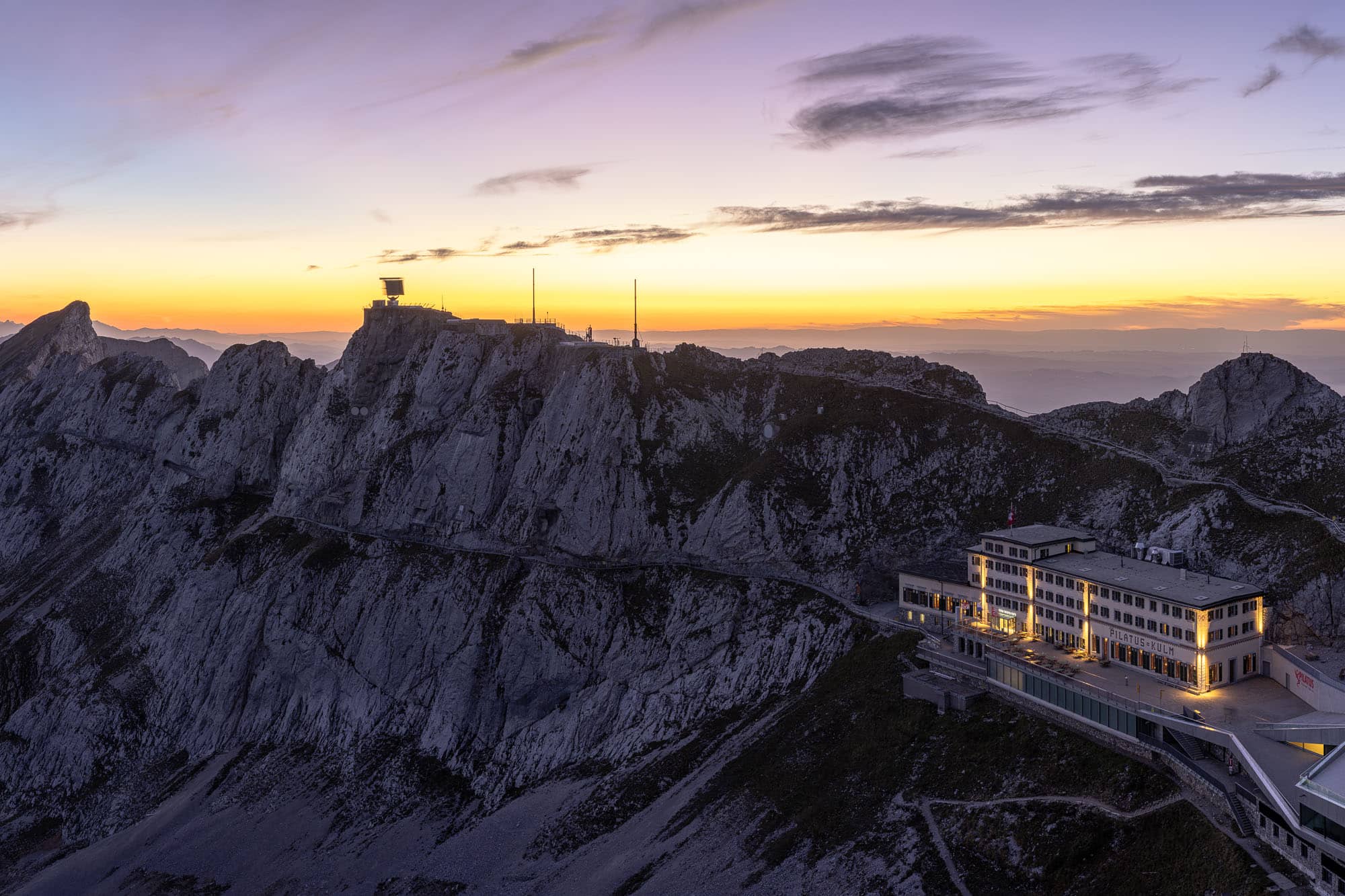
You sleep at Hotel Pilatus-Kulm, a four star house from 1890 that sits directly on the summit and still looks the part inside. Your superior double room has 24 square metres, a king size bed and a panoramic view of the Alps, so you can see what the sky is planning before you even get up. Half board is included, with a welcome drink, a four course dinner and a breakfast buffet. And since the summit is almost empty once the last cable car has gone, it is five to fifteen minutes from your door to your sunset position, with nobody else's tripod in the frame.
Half board at Hotel Pilatus-Kulm is included: welcome drink, four course dinner and breakfast buffet. Drinks beyond half board and lunch on the second day are on you. A thermos for sunrise is still a good idea, breakfast comes afterwards.
Camera
- Camera with manual exposure control, mirrorless or DSLR
- Wide angle, ideally from 16 to 24 mm
- Telephoto, ideally up to 200 mm or longer
- Tripod, genuinely essential here
- Remote release, or a reliable self-timer routine
- Plenty of batteries and memory cards. Cold and long exposures eat both
- Laptop with the editing software you normally use (Lightroom, Capture One, DxO, whatever it is) and a card reader
- Optional: polarising filter, ND filter, cleaning cloth
- Optional for panorama: nodal slide and levelling head if you have them and a 50 mm lens
Clothing and footwear
- Warm, windproof and waterproof layers. At 2,132 metres the evenings are cool even in July
- Sturdy shoes with proper grip
- Hat and gloves, ideally thin liner gloves for operating the camera
- In winter, add spikes or micro crampons
Other
- Head torch with a red light mode
- What you need for one night in a hotel
- Travel ticket for your journey to Kriens or Alpnachstad
You will receive a detailed packing list after booking, tailored to the season.
- Travel to and from the valley station
- Drinks beyond half board
- Lunch on the second day
- Personal expenses
- Cancellation insurance
Running the workshop: This workshop runs from one participant, with dates available year round on request. Availability depends on the hotel and on cable car operating times. I will check both for your preferred date before anything becomes binding.
Payment: A deposit of 50 per cent after booking confirmation, with the balance due no later than 30 days before the date. For short notice bookings the full amount is due immediately.
What the price covers: The price shown is a flat rate. Guide expenses for travel, cable car and meals are included, and there is no expense invoice after the workshop. Section 13 of the terms and conditions does not apply to this offer.
Cancellation: The cancellation terms for multi-day offers apply, as set out in the terms and conditions. If you cannot make it, someone else is welcome to take your place, just let me know. Beyond that I recommend cancellation insurance.
Weather: Fog, cloud and inversions are often the better subjects, not the worse ones. If the forecast 48 hours beforehand shows solid cloud with neither a view nor a sea of fog, we move the date free of charge. That is a commitment I make in addition to the terms and conditions, and we decide together. I only cancel outright when safety requires it.
Insurance: Insurance is the responsibility of participants (accident, health and liability). I recommend Rega patronage.
fromCHF 1,990
CHF
Dates
2 days
Year-round
Date of your choice
The best images on Pilatus happen in two windows, and both of them fall outside cable car operating hours. Which is why we sleep up there.
Falko BurghausenMeeting point
Pilatus Cable Car Lower Station in KriensParticipants
Min. 1, max. 2 participants per guide
Course language
English, German
Included services
Private coaching with Falko Burghausen, from afternoon to midday, around 20 hours
Overnight stay at Hotel Pilatus-Kulm with half board: welcome drink, four-course dinner and breakfast buffet
Cable car up and down
Individual location planning based on season, light and weather
Image editing session in the evening, around 90 minutes on your own machine
Optional panorama module if you want to make that your focus
Closing review with image selection and a concrete editing plan
Photo feedback by email: send me your finished edits and I will give you an honest response
Your guide
Falko Burghausen
Hiking Guide (in training). Internationally awarded Photographer. Swiss Athletics Trail Running Instructor.
Personal advice
Do you have any questions? I will be happy to advise you on this travel offer.
PDF Download
Private Pilatus Photography Workshop: After the Last Cable Car
Switzerland – PilatusfromCHF 1,990
Year-round
Non-binding request
Your non-binding request will bring you one step closer to your experience. I will get back to you shortly with further information on dates and the exact procedure and discuss the next steps together.
Questions? Answers!
Still have questions about the offer? I have compiled the most important information for you.
Because the hotel, my travel and the cable car cost the same whether I am guiding one person or two. I pass that on. At two people you pay CHF 1,125 each and you are still private, not part of a group.
Depends what you compare it to. A group workshop with a summit overnight runs at around CHF 900 in Switzerland, but with several participants sharing one instructor. Pure one to one instruction in Zurich costs a good CHF 125 an hour, and here you get around twenty hours. This offer sits between the two, deliberately.
A wide angle and a telephoto. Between 16 to 24 mm at the short end and 200 mm or more at the long end you cover everything this mountain has to offer. If panoramas interest you, bring a standard focal length as well, ideally something between 35 and 70 mm, with a classic 50 mm being the sweet spot. The reason: the wider the lens, the more distortion the software has to correct when stitching, and the stranger the edges tend to look. It is not a requirement, a zoom works too. And if you own exactly one lens, come anyway. You will find out fairly quickly which focal length you are missing, and that is better buying advice than any review online.
Yes. Nodal point, shooting sequence, overlap, manual settings and stitching in the evening, all of it, at no extra charge. Tell me when you book and I will plan the evening around it and choose locations that suit sequence work.
No. We work with your software and at your level. If you have never opened a RAW file, that is where we start. If you have been in Lightroom for ten years, we talk about masks and about print.
There is no bad one, only different ones. In late autumn and winter the odds of a sea of fog are best, and the sun sets towards the Bernese Alps. In summer the nights are short, but the sun rises over the lake and sets over the plateau. Tell me what appeals to you and I will tell you when to come.
Of course, for CHF 390. Your companion shares the room, eats with us and otherwise does as they please. Watching a sunset works remarkably well without a camera.
No, there is no luggage storage at the summit and no transport down. If you descend, you carry everything yourself, camera gear included. If you travel with a lot of equipment, riding down is the more relaxed option, and honestly the more common one.
We move the date, see above. And if you discover along the way that cloud and rain on Pilatus also produce images: welcome to the club, those are often the better ones.
Yes. I issue a voucher with no fixed date and we arrange the timing later. Just write to me.
This is about your images, not mine. If one of my Pilatus frames appeals to you enough to want it on your wall, the fine art prints are in the shop. You can also add your own best image as a framed print, with the final polish from me.
No, and that is deliberate. Without staying up there you are not on the mountain at the two moments that matter. If you are looking for a day workshop, have a look at the other photography workshops instead.
Pure Imagination.
Photo workshops for landscape and sports photographyTake your photography skills to a whole new level: in our photography workshops with internationally acclaimed photographer Falko Burghausen, you will learn completely new ways to skillfully showcase your subjects.
Discover offers